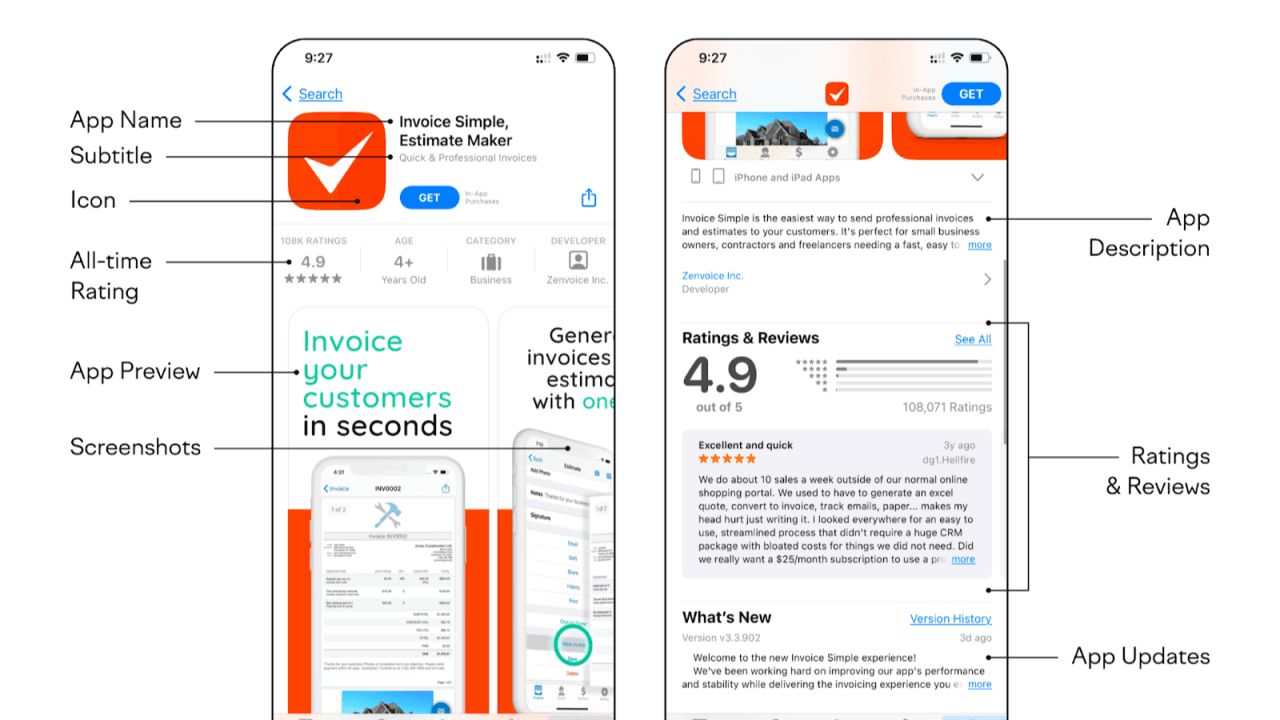
In today’s crowded mobile app market, simply building an app is not enough. With millions of apps on the Google Play Store and Apple App Store, the real challenge is getting discovered. That’s where App Store Optimization (ASO) comes in.
Recently, I’ve been researching how to improve my own app’s visibility on the Play Store. Diving into official documentation and proven strategies gave me a clearer picture of what really works. Here’s what I learned.
Keywords Matter
Just like SEO for websites, keywords play a crucial role in ASO.
- Use the right keywords in your app title, short description, and full description.
- Focus on 3–5 high-impact keywords that your target audience is actively searching for.
- Avoid keyword stuffing and keep descriptions natural and user-friendly.
Visuals Speak Louder than Words
Your app icon, screenshots, and preview video are often the first things users notice.
- A clean, well-designed icon can significantly increase click-through rates.
- Screenshots should highlight your app’s core features and value.
- Preview videos help users quickly understand the user experience.
Ratings & Reviews Drive Trust
User feedback is not just social proof — it also directly impacts your app’s ranking.
- Encourage satisfied users to leave reviews.
- Respond to both positive and negative reviews to build credibility.
- Regular engagement shows that your app is actively maintained.
A/B Testing is a Game-Changer
Both Google Play and Apple App Store provide tools to test different versions of your app listing.
- Experiment with icons, screenshots, descriptions, and titles.
- Use real data to identify what converts best.
- Small changes can lead to significant improvements in downloads.
Stay Active with Regular Updates
Frequent updates signal that your app is actively improving.
- App stores favor apps that evolve over time.
- Bug fixes, performance improvements, and new features increase user trust.
- Updated apps are more likely to retain existing users.
Conclusion
ASO is not a one-time task. It’s an ongoing process of testing, learning, and optimizing. As I apply these strategies to my own app, I’m excited to see how they impact visibility and downloads.
If you’re developing an app, don’t stop at the launch. Invest time in ASO — because the best apps deserve to be discovered.